

Ever heard of blade sealing in table tennis? If you want to extend your blade’s life and make rubber changes less stressful, sealing can help. The key is doing it lightly, heavy coats create more problems than they solve.
Quick answer
- Seal your blade if your top ply splinters when removing rubbers, or you change rubbers often.
- Skip sealing if you want maximum glue bite, and you rarely change rubbers.
- Use one light coat first, let it fully cure, then decide if a second coat is worth it.
Table of Contents
What is sealing a table tennis blade?
Sealing a table tennis blade means applying a thin protective layer, usually a table tennis blade lacquer or varnish, to the blade face, and sometimes the edges. The goal is simple: protect the top ply and make rubber removal less likely to pull wood fibers.
A thin seal layer adds separation between the blade and the rubber glue, which often makes glue cleanup easier and reduces the chance of splintering during rubber changes.
Should you seal your table tennis blade?
Blade sealing is a personal choice. It rarely matters as much as choosing the right blade and rubbers, but it can save you from damaging an expensive blade over time, especially if you swap rubbers frequently.
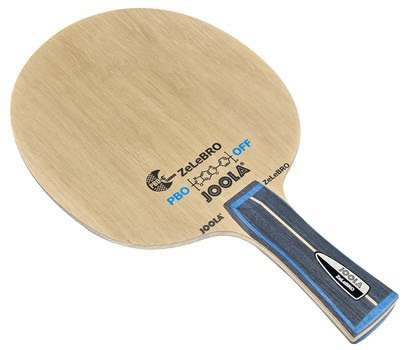
Benefits of sealing your blade
| Benefit | Why it matters |
|---|---|
| Protects the top ply | Reduces splintering when removing rubbers, especially on softer outer plies. |
| Easier rubber removal | A sealed face often releases glue more cleanly, which makes maintenance faster. |
| Less glue absorption | A thin seal layer can keep water-based glue from soaking into porous wood, which helps with cleaner re-glues. |
Drawbacks of sealing your blade
| Drawback | What to watch for |
|---|---|
| Weaker glue bond | Heavy coats can reduce adhesion and lead to edge lifting or air bubbles after re-gluing. |
| Feel changes with heavy coats | A very light coat rarely changes play in a noticeable way. Thick coats can make the face feel harder and less connected. |
I have dealt with the classic “sealed too much” problem firsthand. After a supplier-applied varnish, my first set of rubbers held fine. After a rubber change, a bubble appeared, and no amount of glue solved it. The rubber started lifting during a match, and the fix ended up being sanding the varnish back. The lesson: light coats and full cure time matter.
Does sealing change feel, speed, or spin?
With one light coat, most players notice little to no change. Problems show up when the seal layer gets thick, glossy, or uneven. Thick sealing can reduce the “bite” of glue and can make contact feel harsher. If you care about feel, keep it minimal and test after one coat.
How to tell if a blade is already sealed
- The blade face looks slightly glossy rather than dry and porous.
- Glue peels cleanly and rarely pulls wood fibers after rubber removal.
- The manufacturer or retailer listing mentions “sealed,” “lacquered,” or “varnished.”
How to seal a table tennis blade
You have two options: ask a supplier to do it, or apply a thin coat yourself.
Option 1: supplier sealing service
If you are buying a new blade, supplier sealing usually makes the most sense. It costs very little compared to the price of a blade, and it saves you from buying a bottle of sealer that you may only use once.
A popular option is Megaspin’s blade sealing service (listed at $2.50 at the time of writing).
Megaspin blade sealing service
Option 2: do it yourself
If you want to seal an existing blade, you will need a blade-safe sealer or lacquer and a simple application setup.
Affiliate note
Some links below may earn a commission, which helps support the site.
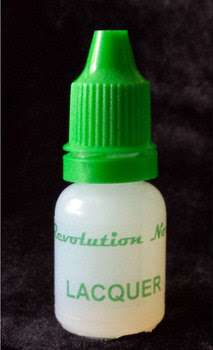
For a small, affordable bottle, a common choice is:
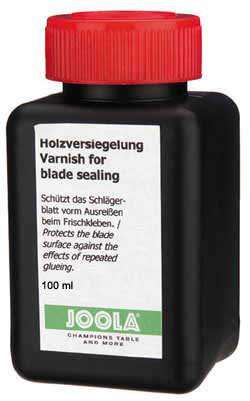
If you plan to seal multiple blades or re-seal periodically, a larger bottle can be more practical, such as:
What you need
- Fine-grit sandpaper (around 800 to 1200 grit)
- A clean microfiber cloth
- A foam brush or soft applicator
- Blade lacquer or blade sealer
- Optional: edge tape (extra edge protection for table knocks)
Step-by-step: light coat sealing
- Remove rubbers and remove old glue as cleanly as possible.
- Lightly sand the blade face to smooth raised fibers. Use very gentle pressure.
- Wipe away dust completely with a clean cloth.
- Apply a thin, even coat across the blade face. Add a light pass along the edges if you want edge protection.
- Let the blade dry fully, then let it cure before gluing rubbers back on.
- If needed, apply a second very light coat after the first coat fully cures.
How many coats, and how long to dry
- Start with one coat. Two light coats can make sense for fragile outer plies.
- Let it dry until it feels fully dry to the touch, then allow additional cure time before gluing.
- A safe approach: wait overnight before re-gluing, especially if the coat looks even slightly glossy.
If you apply too much and the glue bond gets unreliable, lightly sanding the sealed surface usually restores adhesion.
Troubleshooting
Rubber lifts at the edges
- Cause: seal layer too thick, glue layer too thin, or not enough cure time.
- Fix: lightly sand the face, re-glue with an even coat, and allow full drying time before play.
Air bubbles after gluing
- Cause: uneven sealing, uneven glue, or a surface that resists bonding.
- Fix: remove rubber, sand lightly, clean dust, re-glue, and press with a roller.
Blade face feels tacky or uneven
- Cause: coat applied too heavy, or insufficient cure time.
- Fix: give it more time to cure, then sand lightly if needed to smooth the surface.
You sealed too much
- Fix: sand back gradually with fine grit until the surface looks more matte and glue bonds reliably again.
Video: sealing process walkthrough
This video shows a practical sealing process and how light coats look in real time:
Some players also seal the handle to reduce sweat absorption. Handle sealing can change grip feel and can add shine, so most players seal only the blade face and edges.
FAQ
Should I seal a brand new table tennis blade?
If you buy blades often and want to protect the top ply from the first rubber change, a single light coat can be a smart move. If you rarely change rubbers and you care most about maximum glue bite, you can skip sealing and add it later only if splintering shows up.
Do I need to seal the whole blade face, or just the edges?
Sealing the full blade face helps most with splintering during rubber removal. Edge-only sealing helps mainly with impact wear from table knocks. Many players seal the face lightly and then use edge tape for extra protection.
How many coats of varnish should I apply?
One light coat is the best starting point. Two light coats can make sense for fragile outer plies or players who change rubbers frequently. Thick coats increase the chance of weaker adhesion and bubbles.
How long should I wait before gluing rubbers after sealing?
Wait until the surface feels completely dry, then allow additional cure time. A safe rule is to wait overnight before re-gluing, especially if the coat looks even slightly glossy.
What grit sandpaper should I use before sealing, and if I over-seal?
Use fine grit. Around 800 to 1200 grit works well for a light surface prep and for sanding back an over-sealed blade. The goal is to smooth raised fibers and dull the surface slightly, not to remove wood.
Will sealing reduce spin or change the feel of my blade?
A very light coat usually has little impact. Noticeable feel changes show up with heavy or uneven sealing, which can make the face feel harder and can reduce glue bite. Keep it minimal and test after one coat.
Can sealing cause my rubbers to lift or bubble?
Yes, especially with heavy coats. Sealing reduces adhesion. If the surface gets too slick, glue can struggle to hold evenly, which can lead to edge lift or air bubbles. The fix is usually sanding lightly back to a more matte finish, then re-gluing with an even glue layer.
Can I seal the handle too?
You can, but most players do not. Handle sealing can reduce sweat absorption but may also make the handle feel slick and less comfortable. If you try it, use a very light coat and consider adding grip tape if it feels slippery.
Do carbon blades need sealing?
Many carbon blades still use wood outer plies, so splintering can still happen. If your outer ply is soft or you swap rubbers frequently, sealing can still help even on composite blades.
How do I remove varnish or sealer if I regret sealing?
Sand it back gradually with fine grit until the surface looks more matte and glue bonds reliably again. Go slowly and check often. You are aiming to remove the slick layer, not reshape the blade face.
Closing thoughts
Sealing your table tennis blade can extend its life and reduce the odds of splintering during rubber changes. The process stays simple when you keep coats light, let it cure fully, and test adhesion before taking it into a match.
If you want more help with racket maintenance, you may find these guides useful:
- How to replace table tennis rubbers
- How to keep your rubbers in peak condition
- Best table tennis glue for clean, reliable bonding

Freelance writer. Table tennis enthusiast. Lover of all things online. When I’m not working on my loop game I’m probably binge-watching some fantasy show.